Each of our five core service areas operates in harmony, forming a seamless cycle from planning to production to market delivery.
Annual Production
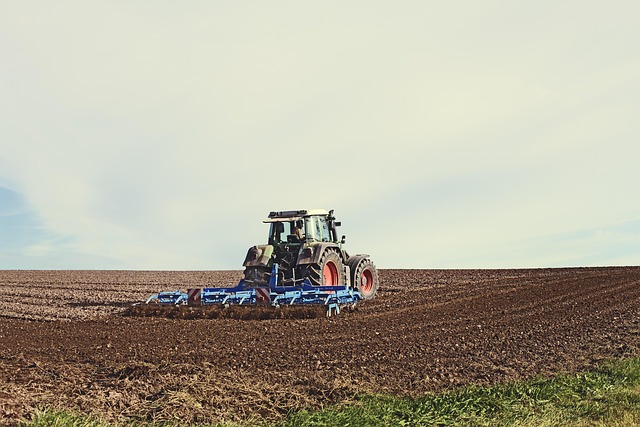
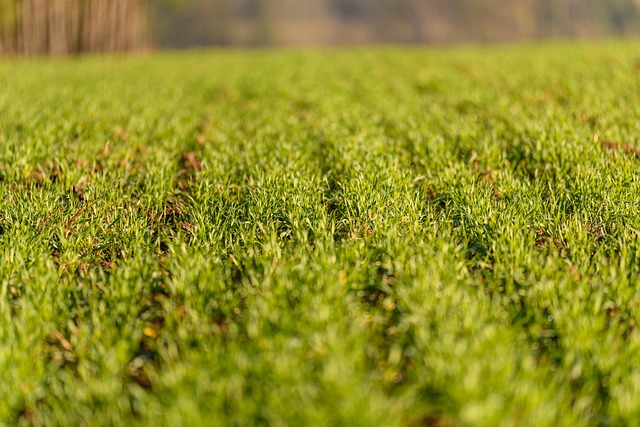
Our crop production program spans the full growing cycle. We begin with detailed soil sampling and nutrient mapping to determine the optimal seed varieties for each parcel. Using GPS-guided planting equipment, we achieve precise seed placement and spacing that promotes uniform germination and stronger root development.
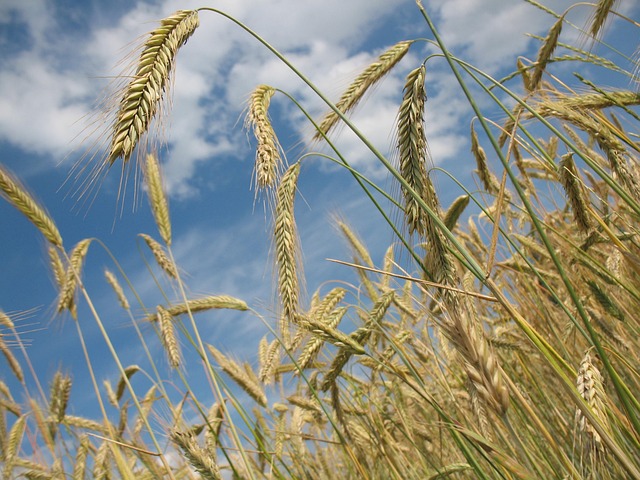
Throughout the growing season, our field teams monitor crop health using satellite imagery and regular in-person inspections. We cultivate wheat, barley, corn, sunflower, and rapeseed across more than 3,500 hectares, adapting planting schedules to the microclimate conditions of each plot. Harvest timing is carefully calibrated to capture peak grain quality, with moisture and protein levels tested before any grain leaves the field.
GPS-Guided Planting
Satellite Monitoring
Soil Nutrient Mapping
Quality Testing
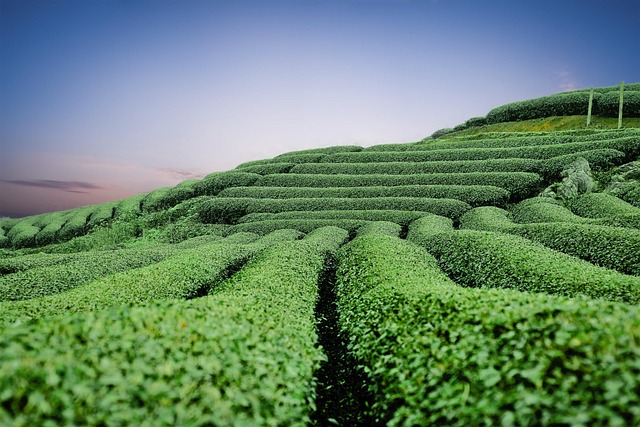
Sustainability at TROPES goes beyond marketing language. We have embedded ecological principles into every operational process. Our crop rotation plans are designed to break pest and disease cycles naturally, reducing the need for synthetic interventions. Cover crops planted during fallow periods protect topsoil from erosion while simultaneously fixing nitrogen and improving organic matter content.
We maintain buffer zones along waterways to prevent agricultural runoff, and we actively support pollinator populations by preserving wildflower corridors between fields. Our integrated pest management protocol prioritizes biological controls before resorting to targeted chemical applications. Each year, we measure our carbon footprint and publish reduction targets aligned with French national environmental objectives.
Chemical Reduction

Partner Farms
Our farm management services are built for landowners who want professional stewardship of their agricultural assets. Whether you own 50 hectares or 500, we deliver the same level of care and attention to detail. Every contract begins with a thorough land assessment that evaluates soil composition, drainage patterns, existing infrastructure, and historical crop performance.
From there, our agronomists develop a multi-year management plan covering crop selection, fertilization schedules, equipment deployment, and labor coordination. You receive seasonal reports that detail production volumes, input costs, quality assessments, and environmental metrics. Our transparent approach means you always know exactly what is happening on your land and how your investment is performing.
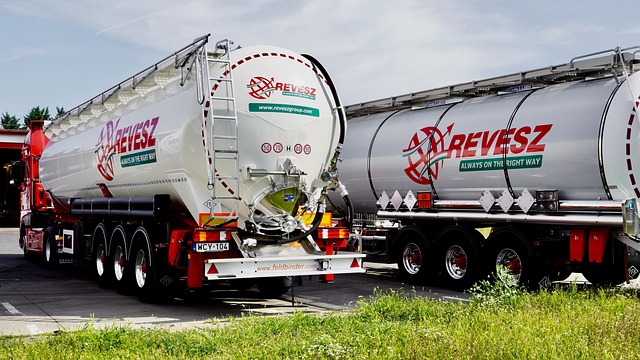
Getting grain from the field to the buyer in optimal condition requires meticulous logistics planning. TROPES operates dedicated storage facilities with climate-controlled environments that maintain ideal temperature and humidity levels. Our silos accommodate multiple grain types with segregated compartments to preserve varietal purity and quality grading.
We coordinate transportation through a network of vetted carriers, scheduling deliveries to minimize transit time and ensure freshness. Whether grain moves to regional cooperatives, processors, or export terminals, our logistics team tracks every shipment from loading dock to destination. Full traceability documentation accompanies each delivery, meeting the compliance requirements of French and EU food safety regulations.
Climate-Controlled Storage
Coordinated Transport
Full Traceability
Data-Driven Decisions
Technology and ecology work hand in hand at TROPES. We deploy drone-mounted multispectral cameras for early detection of crop stress, allowing targeted interventions that reduce overall chemical usage. Soil moisture sensors installed across our fields feed real-time data to our central management platform, enabling precision irrigation that conserves water while maintaining plant health.
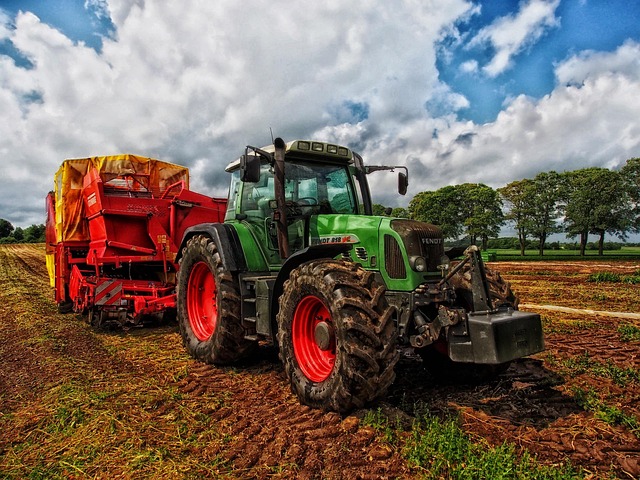
Variable-rate application equipment adjusts fertilizer and seed distribution based on GPS soil maps, ensuring each square meter receives exactly what it needs. We also pilot solar-powered monitoring stations and evaluate electric-powered field equipment as part of our long-term transition away from fossil fuel dependency. These investments in technology reflect our belief that modern farming can be both productive and planet-friendly.
A structured, transparent approach that keeps you informed and involved at every stage of the agricultural cycle.
We visit your property, collect soil samples, review historical data, and discuss your goals. This initial step forms the foundation for every recommendation that follows. No two parcels are identical, so our assessment captures the unique characteristics of your land.
Our agronomists build a comprehensive plan covering crop selection, rotation schedules, input requirements, and environmental targets. We present this plan for your review and adjust it based on your feedback before any field work begins.
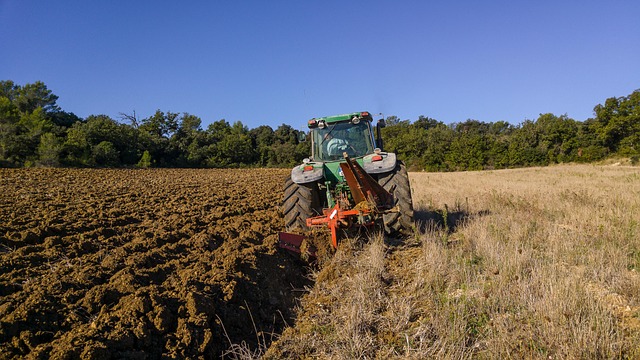
Soil is prepared using appropriate tillage methods, and seeds are planted with GPS-guided precision equipment. Fertilizer application rates match the nutrient map developed during assessment. Timing aligns with local weather forecasts and optimal sowing windows.
Through the growing season, drone flights, satellite imagery, and field walks provide continuous crop health data. If issues arise, whether pest pressure, nutrient deficiency, or weather damage, our team responds quickly with targeted solutions.
Harvest timing is determined by grain moisture readings and maturity indicators. Once collected, grain moves to our climate-controlled silos where it is weighed, tested, and stored under conditions that preserve quality for months.
You receive a full season report covering yields, quality analysis, costs, and environmental metrics. Grain is delivered to buyers with complete traceability documentation. We then begin planning the next cycle based on lessons learned.
The tools we use reflect our dual commitment to productivity and planet. Every technology investment must demonstrate both yield improvement and environmental benefit before we adopt it at scale. This filter ensures our operations become more efficient and more sustainable simultaneously, rather than trading one for the other.
Weekly NDVI (Normalized Difference Vegetation Index) imagery reveals crop vigor patterns invisible to the naked eye, enabling proactive management decisions.
IoT sensors buried at multiple depths relay continuous moisture data to our platform, triggering irrigation only when the root zone genuinely needs water.
Our spreaders and sprayers adjust output meter by meter based on prescription maps, reducing waste and ensuring each zone receives precisely calibrated inputs.


Core Services
Hectares Served
Years Active
Farm Partners
Traceable Output
Whether you need comprehensive farm management, want to improve your sustainable practices, or are looking for a reliable logistics partner, we are here to help. Reach out and let us explore what TROPES can do for your land.